Medical coding
Medical coding plays a crucial role in the healthcare industry by converting healthcare diagnoses, treatments, and procedures into standardized alphanumeric codes. These codes are derived from medical records such as physician’s notes, laboratory results, and radiology reports. They enable healthcare providers and insurance companies to accurately process claims, ensuring that patients receive appropriate coverage and reimbursement. Common coding standards include ICD (International Classification of Diseases) for diagnoses, CPT (Current Procedural Terminology) for medical procedures, and HCPCS (Healthcare Common Procedure Coding System) for additional services and supplies.
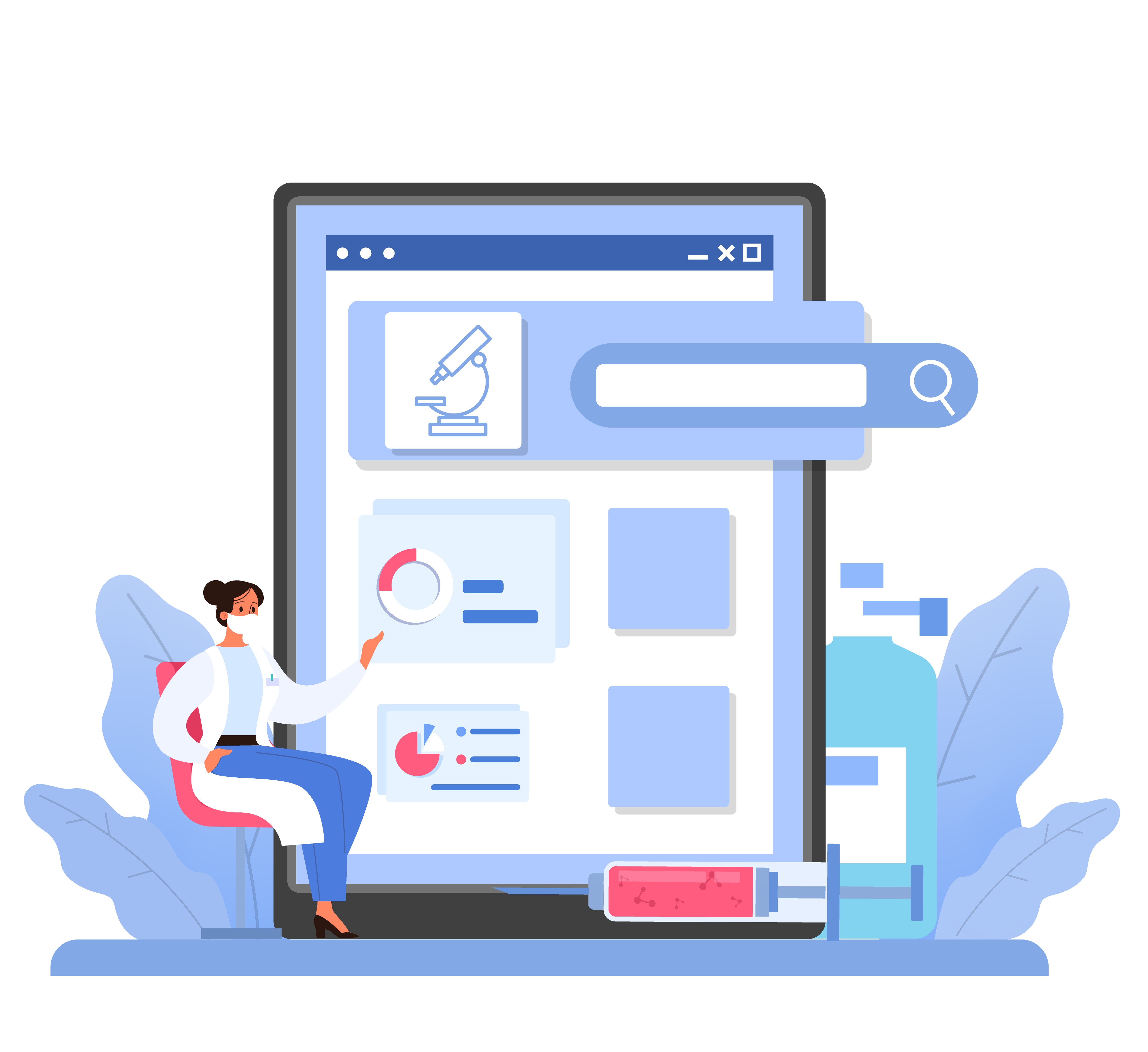
In the IT sector, medical coding services are employed to optimize the accuracy and efficiency of this process through automation, data management, and compliance tools. Advanced IT solutions help streamline the coding process by integrating with Electronic Health Records (EHRs), automating repetitive tasks, and ensuring compliance with regulatory standards. This not only reduces errors but also enhances the overall efficiency of healthcare organizations by speeding up claim submissions and reducing claim denials. With IT-driven medical coding services, healthcare providers can ensure that they meet industry standards while optimizing their financial and administrative processes.
Medical Coding Automation
Medical Coding Automation is a significant advancement in the healthcare IT sector. IT solutions leverage **advanced software and AI algorithms** to automate the process of scanning medical records, identifying key information, and assigning precise codes. This automation not only reduces the need for manual coding but also **minimizes errors** and accelerates the entire coding workflow. By automating these repetitive tasks, healthcare providers can increase efficiency, reduce human error, and ensure faster and more accurate submission of claims.
Accuracy and Compliance
Accuracy and Compliance are vital aspects of medical coding, and IT-driven coding services play a key role in enhancing both. By utilizing automation and advanced algorithms, these services **drastically reduce human errors**, leading to more accurate code assignments. This level of precision is critical for proper billing and claims processing, ensuring that healthcare providers receive appropriate reimbursements.
In addition to improving accuracy, IT-driven solutions ensure **compliance with industry regulations** such as ICD, CPT, and HCPCS. These systems automatically update to reflect changes in coding standards and regulatory requirements, helping healthcare organizations stay compliant and avoid penalties or claim denials. This not only safeguards the organization’s financial health but also enhances its reputation for following best practices.
Compliance and Auditing
Compliance and Auditing in medical coding are critical to maintaining the accuracy and legality of healthcare operations. IT services offer **automated auditing tools** that continuously review and verify medical codes, ensuring they comply with the latest healthcare regulations and coding standards, such as ICD, CPT, and HCPCS. By automating these checks, organizations can swiftly identify and correct errors, significantly reducing the risk of non-compliance.
These tools also play a crucial role in **minimizing claim denials** by ensuring that submitted claims are accurate and adhere to payer requirements. This proactive approach helps healthcare providers avoid legal and financial risks associated with incorrect coding or regulatory violations, leading to smoother operations and optimized revenue cycles.
Data Management and Integration
Data Management and Integration in medical coding are essential for maintaining an efficient and streamlined workflow. IT systems enable the seamless integration of **medical coding platforms with Electronic Health Record (EHR) systems**, ensuring that healthcare providers can easily manage and access critical patient data. This integration allows for the automatic flow of information between coding platforms and EHRs, eliminating the need for manual data entry and reducing the risk of errors.
This efficient data management system ensures that medical codes are **accurately stored, accessed, and analyzed** for a variety of purposes, including billing, reporting, and auditing. By centralizing data, healthcare providers can enhance the speed and accuracy of claims submissions, improve financial performance, and gain valuable insights into their operations through detailed reporting and analytics.
Medical Billing Integration
Medical Billing Integration plays a pivotal role in optimizing healthcare financial operations. IT-driven medical coding services often integrate with **medical billing software**, ensuring that coding and billing processes are seamlessly aligned. This integration allows billing departments to **efficiently process claims**, reducing the chances of errors and minimizing the time it takes to receive reimbursements from insurance companies.
By streamlining the entire workflow—from coding to billing—healthcare providers can significantly enhance their **revenue cycle management**. The faster and more accurate claim submissions lead to fewer claim denials, quicker payments, and improved cash flow. This integrated approach not only boosts operational efficiency but also ensures the financial stability of healthcare organizations.