
Retail
Retail services encompass a wide range of activities aimed at selling goods and services directly to consumers, playing a crucial role in the economy by connecting manufacturers and wholesalers with end-users. This sector includes various channels, such as brick-and-mortar stores and e-commerce platforms, which provide consumers with convenient access to products. Retailers focus on enhancing the customer experience through personalized service, effective merchandising, and strategic marketing efforts, ensuring that shoppers find what they need while enjoying a seamless shopping journey.
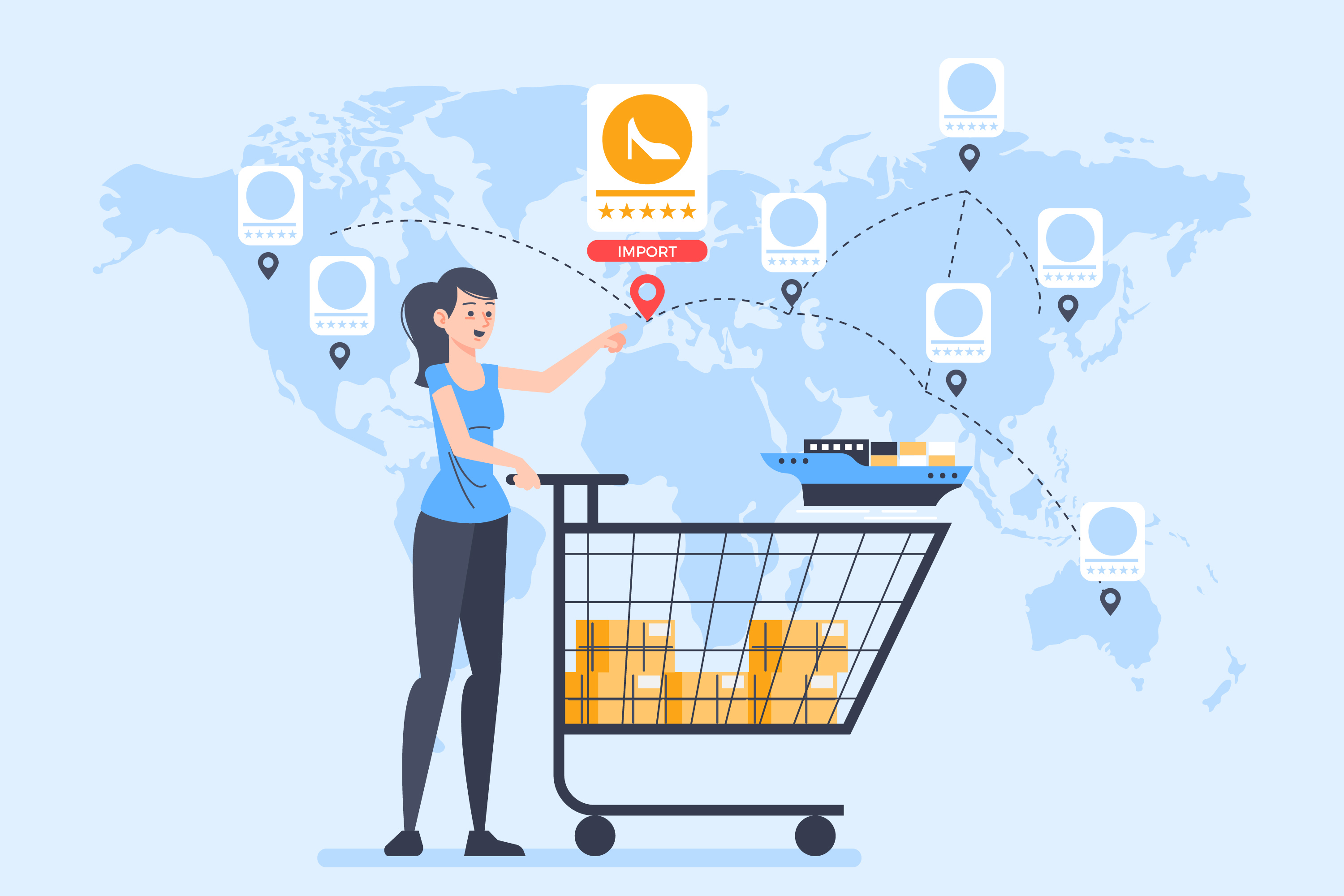
In addition to product sales, retail services involve essential functions such as customer service, payment processing, and supply chain management. Retailers strive to deliver exceptional support both in-store and online, offering assistance with inquiries, returns, and exchanges. Furthermore, technology integration—such as point-of-sale systems and e-commerce platforms—plays a vital role in streamlining transactions and managing inventory. By fostering community engagement and sustainability initiatives, retailers can build lasting relationships with customers, driving loyalty and repeat business while contributing positively to their local economies.
Product Sales
Product sales in the retail sector occur through two primary channels: brick-and-mortar stores and e-commerce. Brick-and-mortar stores, such as department stores, specialty shops, supermarkets, and convenience stores, provide customers with the opportunity to browse, try, and purchase products in person, enhancing the tactile shopping experience.
In contrast, e-commerce platforms enable consumers to shop conveniently from anywhere using websites or mobile apps. This digital approach offers the added benefit of home delivery, allowing customers to access a wider range of products without the need to visit a physical location, thereby catering to the evolving preferences of modern shoppers.
Customer Service
Our Customer service is a vital component of the retail experience, encompassing both in-store assistance and online support. In physical locations, retail staff are readily available to help customers find products, answer questions, and provide recommendations, thereby enhancing the overall shopping experience and fostering a welcoming environment.
For online shoppers, customer service representatives offer support through various channels such as chat, email, and phone, assisting with online orders, returns, and inquiries. Additionally, clear returns and exchange policies are established to ensure customer satisfaction, allowing customers to return or exchange products easily and reinforcing trust and loyalty in the brand.nventory and Spare Parts Management software is designed to optimize your inventory control processes, enabling you to effectively track the levels of spare parts in real time. With this powerful tool, you can easily manage orders, ensuring that you have the right parts available when you need them. The system employs advanced algorithms to predict future needs based on historical data and current trends, helping you maintain optimal stock levels and avoid overstocking or stockouts.
Marketing and Advertising
Marketing and advertising are essential components of retail strategies aimed at reaching and engaging potential customers. Advertising campaigns leverage various channels, including social media, television, print media, and online ads, to effectively promote products and services, creating awareness and driving traffic to stores and e-commerce platforms.
To foster customer loyalty, many retailers implement loyalty programs that reward repeat business through discounts, points, or exclusive offers, encouraging customers to return. Additionally, email marketing plays a pivotal role in driving sales and engagement by sending targeted promotions and relevant information directly to customers' inboxes, allowing retailers to maintain ongoing communication and strengthen relationships with their clientele.
Payment Processing
Payment processing is a critical aspect of retail operations, ensuring seamless transactions for customers. Point of Sale (POS) systems, which include traditional cash registers and mobile payment solutions, facilitate transactions at physical retail locations, allowing for quick and efficient checkouts.
For online shopping, secure payment solutions are essential, providing customers with safe gateways for completing transactions using credit or debit cards, as well as digital wallets. Additionally, many retailers offer financing options, allowing customers to purchase items upfront while paying over time through installment plans or credit options, thus enhancing accessibility and encouraging larger purchases.
Supply Chain Management
Supply chain management is essential for the smooth operation of retail businesses, focusing on optimizing the flow of goods from suppliers to consumers. Strong vendor relations involve establishing and maintaining collaborative partnerships with suppliers and manufacturers to ensure a consistent supply of quality products, thereby minimizing disruptions and enhancing reliability.
Logistics and distribution play a critical role in this process, utilizing efficient systems to transport products from warehouses to retail locations or directly to customers in a timely manner. Coupled with effective inventory control strategies, retailers can maintain optimal inventory levels, reducing costs while ensuring that popular products are readily available to meet customer demand and enhance overall satisfaction.
Technology Integration
Technology integration is a cornerstone of modern retail, significantly enhancing the shopping experience and operational efficiency. E-commerce platforms provide intuitive online shopping sites where customers can easily browse, select, and purchase products, catering to the growing demand for convenience in shopping.
Additionally, mobile apps designed for retail offer users convenient features, such as personalized recommendations and easy access to loyalty programs, fostering customer engagement and loyalty. Furthermore, Customer Relationship Management (CRM) systems play a vital role in helping retailers manage customer data, track interactions, and analyze sales history, enabling them to tailor marketing efforts and improve the overall shopping experience for their customers.