QA and Testing
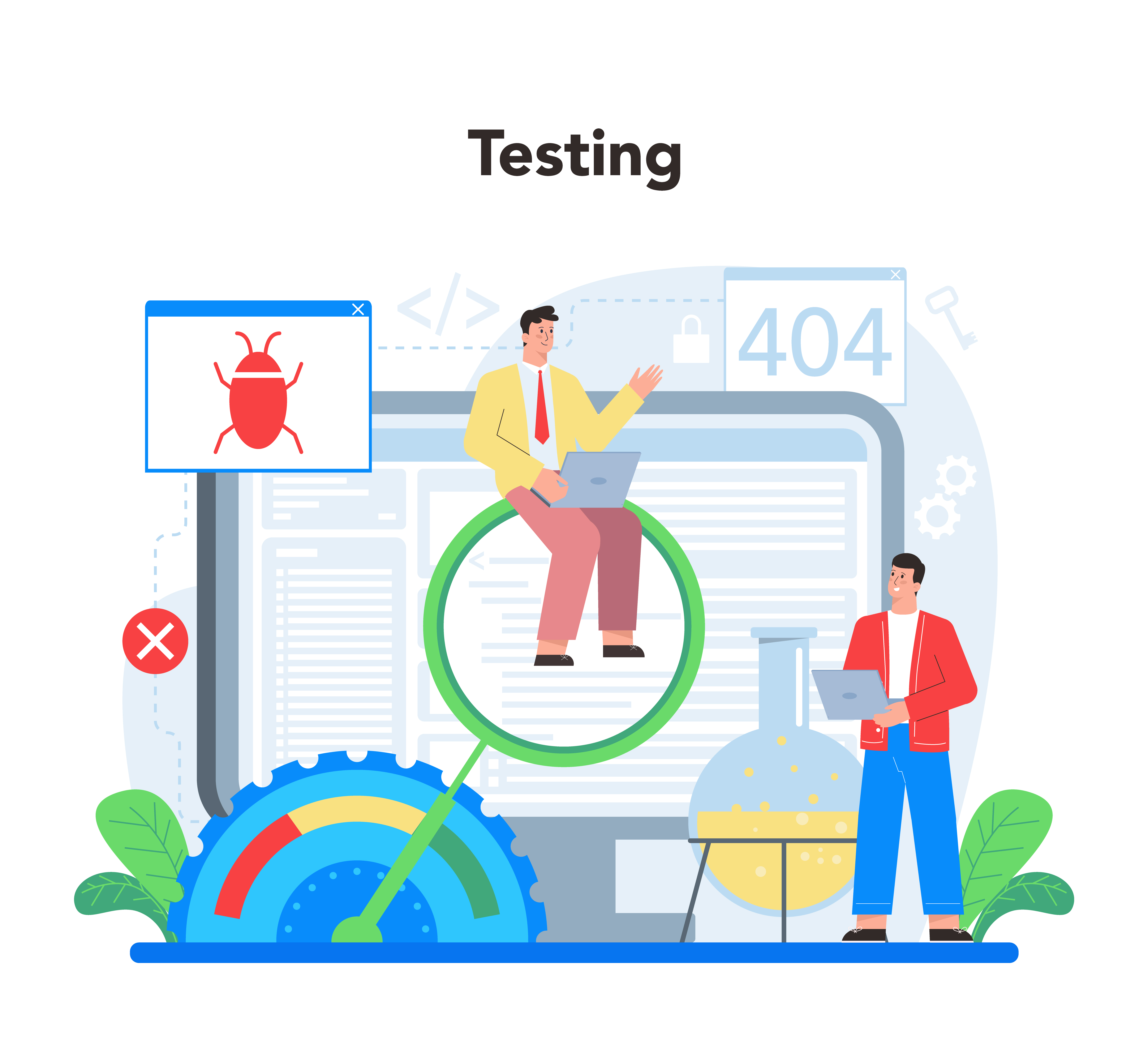
Testing is a vital component of software development, significantly impacting product delivery and quality assurance. By systematically identifying and rectifying bugs, testing ensures that the final product meets the required standards and functions as intended.
However, it is equally important to trace the origins of these errors, as understanding their root causes allows teams to prevent similar issues from arising in future releases. This proactive approach enhances the overall efficiency of the testing cycle, leading to a more reliable and robust product. Ultimately, thorough testing not only improves quality but also fosters greater confidence in the software among users and stakeholders.
Manual Testing
Manual Testing is a critical approach that involves operator input, analysis, and evaluation throughout the entire testing cycle. This process emphasizes assessing the correctness of the software and determining its test status based on user interactions and feedback. By engaging testers directly in the evaluation process, manual testing allows for a more nuanced understanding of how the software performs in real-world scenarios.
At Teknip Technologies, our manual testing framework empowers testers with the flexibility to conduct ad-hoc and random tests. This capability is crucial for uncovering real user bugs that automated testing may overlook, as it mimics the unpredictable nature of actual user behavior. By prioritizing human insight in the testing process, we enhance the software’s quality and usability, ensuring that it meets user expectations effectively.
Automation Testing
Automation Testing is a highly efficient approach that significantly reduces the test cycle time by minimizing the need for operator input, analysis, or evaluation. This streamlined process allows for increased test development speed, enhanced test coverage, and quicker defect detection and correction. By automating repetitive tasks, teams can focus on more complex testing scenarios, ensuring a thorough examination of the software.
we prioritize test cases for automation based on business risk and application complexity. Our unique Test Model incorporates built-in Test Project Management functions, further improving the efficiency of the testing process. This strategic approach not only optimizes resource allocation but also ensures that critical areas of the application receive the attention they need, ultimately leading to a higher quality product delivered in a shorter timeframe.
System Integration Testing
System Integration Testing is essential in today’s interconnected environment, where systems interact with various other systems to support daily business operations. This testing phase focuses on verifying the interactions and data flow between different software components, ensuring that they work seamlessly together. By thoroughly assessing these interactions, we can identify and address any issues that may arise from the integration of multiple systems.
We rigorously test software system components alongside their coexistence with other systems. This comprehensive approach not only ensures that each component functions correctly in isolation but also confirms that the integrated systems perform reliably when working together. By prioritizing system integration testing, we help organizations achieve smooth operational continuity and enhance overall system performance, ultimately contributing to successful business outcomes.
Interface Testing
Interface Testing is a critical aspect of software testing, given that no two systems are identical in technology and architecture. As systems interact with one another, testing these interfaces becomes essential for ensuring seamless communication and functionality. Beyond unit and system testing, effective interface testing is necessary for any business to operate efficiently, as it helps identify issues that may arise during data exchange or interactions between different software systems.
We conduct interface testing as part of our comprehensive system testing process or as a standalone activity, depending on project needs. This dual approach allows us to rigorously evaluate how different systems communicate, ensuring that data is accurately transmitted and processed. By focusing on interface testing, we help organizations mitigate potential integration issues, enhance operational efficiency, and maintain the reliability of their software systems in a complex technological landscape.
Regression Testing
Regression Testing is a crucial process in software development, especially in dynamic environments where changes to the system are frequent. As enhancements, bug fixes, or new features are implemented, it’s vital to ensure that these modifications do not adversely affect existing functionality. This ongoing testing helps maintain system stability and reliability, making regression testing essential for any growing system.
At Teknip Technologies, we provide both manual and automated regression test suites tailored to meet the specific needs of our clients. By leveraging a combination of these approaches, we ensure comprehensive coverage and efficiency in validating that existing features continue to perform as expected after any changes are made. This commitment to thorough regression testing not only helps prevent potential issues but also supports seamless software evolution and user satisfaction.
Load Testing
Load Testing is a performance evaluation method used to verify how an application behaves under normal and peak load conditions. It ensures that the system meets key performance objectives, such as response times, throughput rates, and resource utilization levels. By simulating real-world scenarios, load testing helps identify how well an application handles user demand and how it performs when pushed to its limits.
We conduct comprehensive load testing to assess an application's stability and performance under varying loads. This process not only helps determine the breaking points of the application but also uncovers any potential bottlenecks, allowing for optimization and ensuring the system can efficiently handle peak traffic without compromising user experience.